How to Improve Energy Levels with Microbreaks
When thinking of rest during the workday, you may picture someone sitting still on their phone or taking a quick power nap in the car, but rest and recovery looks very different when it comes to optimizing focus and performance and understanding how to improve energy levels. Taking a load off may seem like the best way to stop a midday crash but the truth is: sitting still burns your cognitive energy.
How to improve energy levels naturally: move more, sit less
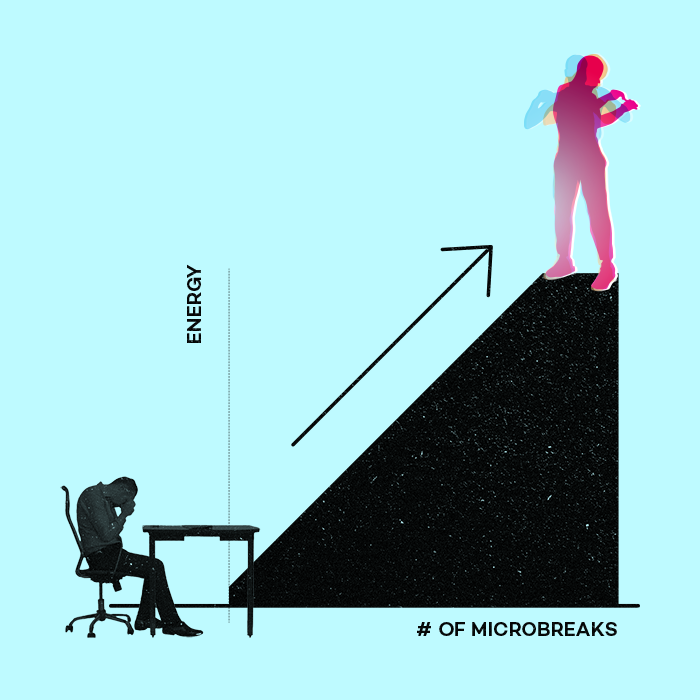
In a study testing the impact of microbreaks on workers, researchers found that for workers who remained seated throughout the workday, perceived energy level peaked immediately after breakfast and then declined through the day back to the baseline value. For those who engaged in a single bout of exercise, participants reported higher energy levels than those reported by sedentary workers and those taking microbreaks. However, for employees taking microbreaks, their perceived energy level was greater compared to both sedentary workers and workers who engaged in pre-work exercise. When measuring energy level immediately after their last microbreak, participants reported a higher energy level than sedentary employees and even higher than those who exercised once before work. Thus, microbreaks are the best method to not only preserve, but boost energy levels throughout the day, a key insight into how to improve energy levels at work, compared to sitting and pre-work exercise.8
Sitting still leads to higher levels of fatigue, lower levels of energy and cognitive function, and less time spent focusing. But when you break up that time spent sitting with movement and exert a bit of physical energy, something amazing happens: you actually GAIN energy, one of the most overlooked principles in how to improve energy levels throughout the day.
While time management is important, time is a fixed state that can be organized into to-do lists and schedules, but what happens when your energy levels are depleted? Energy management, especially understanding how to improve energy levels, allows you to create a schedule that works with both your time, and your mind and body.
“Today, I believe we are facing a ‘human energy crisis’ that is taking a toll on employees. From the warehouse, to the sales floor, to the office, workers are languishing, feeling burnt out, and exhibiting emotional detachment. These feelings demonstrate that people everywhere are struggling to maintain balance in their work and personal lives."4 Kathleen Hogan, Microsoft Chief People Officer
What gives you energy?
Understanding your mind and body is key to determining how to improve energy levels and recover effectively.
Manage your energy, not your time; an adage many have heard but few know how to do correctly. You can’t bring the same amount of energy all day — so you must plan for your energy to dip, not remain constant. It can be easy to overlook burnout when there is a looming deadline, but allowing just a few minutes of recovery can completely change the trajectory of your day and teach you how to improve energy levels sustainably.
Managing your energy requires understanding the different types of energy you have and how to improve energy levels across each of them: physical energy, emotional energy, mental energy, and spiritual energy.7
How to improve energy levels: physical energy
Depleted physical energy may feel like tense shoulders, an aching back, drooping eyelids, or a midday yawn. Physical energy is the most fundamental form, with most people feeling a dip between 3 and 4 pm but this can vary depending on your previous day’s activities.
The top ways to recover your physical energy and improve energy levels:
- Breathe: Deep breathing regularly, breathing out more than you are breathing in, has a huge impact on physical and emotional energy and is a simple way to learn how to improve energy levels. Deep breathing can amplify blood oxygen levels,1 which is necessary for cellular respiration (the process by which cells produce energy), leading to improved physical and mental energy.
- Exercise: While a morning walk may be a great boost of energy to start your day, it is important to keep moving throughout the day to keep energy levels from taking a hit, a core strategy for how to improve energy levels at work. Microbreaks throughout the day are associated with superior cognitive performance, mood, and less fatigue compared to both uninterrupted sitting and 30 minutes of exercise.2
- Get good sleep: Getting a full 7-8 hours of sleep can help prepare you for the next day of work. Taking movement microbreaks throughout the day have been shown to improve both quality and quantity of sleep, further supporting how to improve energy levels long-term.3
- Eat and drink: Fueling your body with protein and whole foods, as well as making sure you stay hydrated, can keep your body energized and performing well.
How to improve energy levels: mental energy
Depleted mental energy may feel like getting easily distracted, procrastinating, or shifting to easier tasks. Pushing past your mental bandwidth each day can lead to burnout and detachment, while learning how to improve energy levels through mental recovery techniques can expand your energy over time.
Easy ways to recover your mental energy:
- Mentally prepare for long or complex tasks: Preparing yourself to learn before long trainings or to focus before complex tasks can boost your energy and reduce mental strain, a critical component of how to improve energy levels cognitively. Moving for two minutes improves attention, concentration, learning and memory functions for up to two hours after the break.5
- Change mental channels: Your mental energy may take a dip when you focus on one task for too long, even simple tasks. Switching to tasks that require different types of mental energy or different amounts can help you perform at your best.
- Practice positive self-talk: Reflecting on progress and strengths can help restore depleted mental energy and reinforce how to improve energy levels during demanding workdays.
How to improve energy levels: emotional energy
Depleted emotional energy may feel like avoiding others, feeling easily angry or frustrated, or feeling stressed.
Stress at work can severely deplete your emotional energy, but those taking microbreaks experienced significantly lower job-related stress compared to their counterparts who maintained their regular sitting habits.2 Learning how to improve energy levels emotionally can also buffer the impact of hard conversations with customers, bosses, or colleagues. People are in a better mood on days when they take movement breaks, reporting more positive emotions, fewer negative feelings and more energy, and an average 25% reduction in fatigue.9
How to improve energy levels: spiritual energy
Depleted spiritual energy may feel like a lack of passion for your work or life, not being able to commit to projects or tasks, or acting out of character. Finding ways to reconnect with meaning, purpose, and community can help restore spiritual energy and is often overlooked in conversations about how to improve energy levels holistically.
How to improve energy levels: for your team
With 48% of employees and 53% of managers reporting that they’re burned out at work, it is clear we are suffering from an energy crisis.4 Organizations that fail to address how to improve energy levels at a team level risk worsening burnout, disengagement, and turnover.
“To address the human energy crisis, managers must demonstrate that they are listening and taking action.”4 Show, don’t just tell employees that breaks are essential by modeling the behavior yourself and gifting microbreaks to your team. To change your team, you must change your culture around breaks and normalize how to improve energy levels during the workday.
How to Improve Energy Levels During Work:
- Improve your Energy Levels at Work By Moving More and Sitting Less: Sedentary behavior is linked to fatigue, poor metabolic health, and even increased risk of early mortality. Even if you exercise regularly, prolonged sitting drains energy.11 Quick, guided microbreaks involving movement and breathing can significantly boost energy, focus, and mood for up to two hours after the break.12
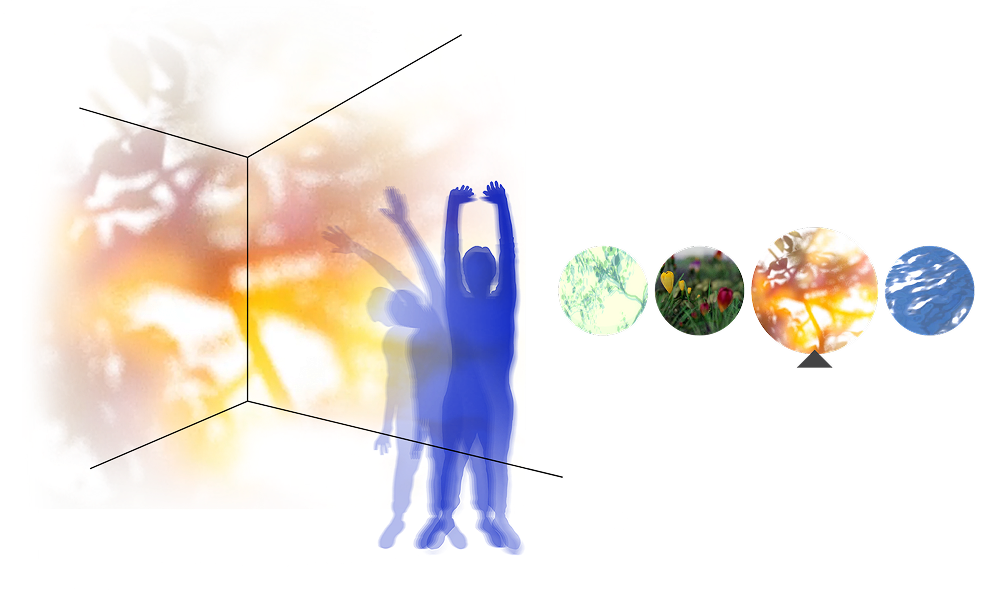
- Improve your Energy Levels at Work By Going Outside or Bringing Nature In: Exposure to natural light and greenery enhances alertness and reduces mental fatigue. Even virtual actions, like looking at pictures of greenery or listening to sounds of nature, can improve focus and attention.13,14 These natural elements help lower cortisol and boost serotonin levels, leading to higher energy and a better mood.15
- Improve your Energy Levels at Work By Moving with Others: Social, synchronous movement boosts energy, trust, and morale. It's a mood elevator and engagement multiplier.16 Moving with colleagues at the workplace even improves social climate, feelings of vitality, and the ability to work together in teams.17
- Improve your Energy Levels at Work By Breathing Intentionally: Even just one minute of intentional, rhythmic breathing significantly reduces cortisol levels, This activates the parasympathetic nervous system and helps you reset, restore focus, and boost vitality.18,19
- Improve your Energy Levels at Work By Managing your Stress: When overwhelmed or emotionally taxed, your energy plummets. But, intense emotions naturally subside in 90 seconds, unless you fuel them with rumination. Taking a moment to pause, move, and breathe can help stop this rumination and act as a circuit breaker to reset your mood and energy.20
- Toussaint, Loren, Nguyen, Quang Anh, Roettger, Claire, Dixon, Kiara, Offenbächer, Martin, Kohls, Niko, Hirsch, Jameson, Sirois, Fuschia, Effectiveness of Progressive Muscle Relaxation, Deep Breathing, and Guided Imagery in Promoting Psychological and Physiological States of Relaxation, Evidence-Based Complementary and Alternative Medicine, 2021, 5924040, 8 pages, 2021. https://doi.org/10.1155/2021/5924040
- Mainsbridge, C. P., Cooley, D., Dawkins, S., de Salas, K., Tong, J., Schmidt, M. W., & Pedersen, S. J. (2020). Taking a Stand for Office-Based Workers' Mental Health: The Return of the Microbreak. Frontiers in public health, 8, 215. https://doi.org/10.3389/fpubh.2020.00215
- Arippa, F., Nguyen, A., Pau, M., & Harris-Adamson, C. (2023). Movement Behavior and Health Outcomes among Sedentary Adults: A Cross-Sectional Study. International Journal of Environmental Research & Public Health, 20(5), 4668. https://doi.org/10.3390/ijerph20054668
- Hogan, K. (2023, March 30). Microsoft Chief People Officer: We are experiencing a global human energy crisis. Fast Company. https://www.fastcompany.com/90872995/microsoft-chief-people-officer-we-are-experiencing-a-global-human-energy-crisis
- Blomstrand, P., & Engvall, J. (2020). Effects of a single exercise workout on memory and learning functions in young adults—A systematic review. Translational Sports Medicine, 3(5), 437–446. https://doi.org/10.1002/tsm2.19
- Miller, G. (2022, October 18). How does breathing affect your brain? Smithsonian Magazine. https://www.smithsonianmag.com/science-nature/how-does-breathing-affect-your-brain-180980950/
- Verbal to Visual. (2022, November 16). The energy cycle your body needs [Video]. YouTube. https://www.youtube.com/watch?v=Lsf166_Rd6M
Based on the book by:
Loehr, J., & Schwartz, T. (2003). The power of full engagement: Managing energy, not time, is the key to high performance and personal renewal. Free Press. - Bergouignan, A., Legget, K.T., De Jong, N. et al. Effect of frequent interruptions of prolonged sitting on self-perceived levels of energy, mood, food cravings and cognitive function. Int J Behav Nutr Phys Act 13, 113 (2016). https://doi.org/10.1186/s12966-016-0437-z
- Zomorodi, M., & Diaz, K. (2023, November 13). Sitting down all day is killing us: The cure is surprisingly simple—and difficult. Los Angeles Times. https://www.latimes.com/opinion/story/2023-11-07/sitting-sedentary-screen-device-work-health-diabetes-hypertension-exercise-fitness-npr
- Bullock, B. G. (2019, October 31). What focusing on the breath does to your brain. Greater Good Magazine. https://greatergood.berkeley.edu/article/item/what_focusing_on_the_breath_does_to_your_brain
- Chandrasekaran, B., Pesola, A. J., Rao, C. R., & Arumugam, A. (2021). Does breaking up prolonged sitting improve cognitive functions in sedentary adults? BMC Musculoskeletal Disorders, 22(1), 1–16. https://doi.org/10.1186/s12891-021-04136-5
- Blomstrand, P., & Engvall, J. (2020). Effects of a single exercise workout on memory and learning functions in young adults—A systematic review. Translational Sports Medicine, 3(5), 437–446. https://doi.org/10.1002/tsm2.19
- Berman, M. G., Jonides, J., & Kaplan, S. (2008). The cognitive benefits of interacting with nature. Psychological Science, 19(12), 1207–1212. https://doi.org/10.1111/j.1467-9280.2008.02225.x
- Lee, K. E., Williams, K. J. H., Sargent, L. D., Williams, N. S. G., & Johnson, K. A. (2015). 40-second green roof views sustain attention: The role of micro-breaks in attention restoration. Journal of Environmental Psychology, 42, 182–189. https://doi.org/10.1016/j.jenvp.2015.04.003
- Weir, K. (2025, April 8). Nurtured by nature: Psychological research is advancing our understanding of how time in nature can improve our mental health and sharpen our cognition. Monitor on Psychology. https://www.apa.org/monitor/2020/04/nurtured-nature
- Zaraska, M. (2020). Moving in sync creates surprising social bonds among people. Scientific American, 323(4), 64–69. https://www.scientificamerican.com/article/moving-in-sync-creates-surprising-social-bonds-among-people/
- Andersen, L.L., Skovlund, S.V., Vinstrup, J. et al. Potential of micro-exercise to prevent long-term sickness absence in the general working population: prospective cohort study with register follow-up. Sci Rep 12, 2280 (2022). https://doi.org/10.1038/s41598-022-06283-8
- Seppälä, E. M., et al. (2014). Journal of Traumatic Stress, 27(4), 397–405. https://doi.org/10.1002/jts.21936
- Seppälä, E. M., Nitschke, J. B., Tudorascu, D. L., et al. (2014). Breathing-based meditation decreases PTSD symptoms in U.S. military veterans: A randomized controlled longitudinal study. Journal of Traumatic Stress, 27(4), 397–405. https://doi.org/10.1002/jts.21936
- Travers, M. (2025, March 10). A psychologist shares the 90-second rule to survive emotional waves. Forbes. https://www.forbes.com/sites/traversmark/2025/03/10/a-psychologist-shares-the-90-second-rule-to-survive-emotional-waves/
FAQs
Breakthru in the World
Request a demo to learn how teams stay sharper, healthier, and more connected with Breakthru
See how science-backed, 2-minute microbreaks can boost focus, motivation, and resilience for your organization.
Join the
45,000+
corporations, educational
communities, and non-profits
worldwide using Breakthru.