Touch Grass
As the pace of work accelerates, technology evolves, and uncertainty is ever-present, now more than ever, we all need to take a break, step outside, and "touch grass," especially in the flow of the workday.
A moment in nature, momentous impact
Modern life, at work and beyond, is increasingly built around chairs and screens. The average American spends about 90% of their time indoors1, sits for the equivalent of 187 days per year2, and averages 7 hours and 18 minutes a day on screens (excluding work or school)3. The average 19-year-old now generally moves about as much as the average 62-year-old.4
All this time spent indoors, seated, and online has severe effects on our physical and cognitive health, increasing risk of cardiovascular disease, type 2 diabetes, obesity, and mental health issues (depression, anxiety), elevating blood pressure and cholesterol levels5,6, and increasing mortality rate by 17% for men and 34% for women.7
Fortunately, just a few minutes of movement and a touch of nature carries outsized benefits. Just 120 minutes a week (a mere 17 minutes per day) in nature is associated with significantly higher levels of health and wellbeing.8 Exposure to natural environments has been found to lower blood pressure and cholesterol9; reduce rates of diabetes, asthma, heart disease, stroke, and premature death10; improve memory, attention, mood11; encourage empathy and cooperation; and even boost our immune systems.10
Across 24 separate studies, nearly 500 participants had their stress levels, immune system, blood pressure, heart rate, and nervous system activity measured before and after an exposure to a forested setting, and an urban one. The forest setting consistently resulted in improved stress response, with lowered cortisol, pulse rates, diastolic and systolic blood pressure; increased parasympathetic nervous system activity; and decreased sympathetic nervous system activity (fight or flight response).12
How Nature Supports Cognitive, Physical, and Social Health
From a cognitive standpoint, the brain has finite capacities for sustained, focused attention. When we push these capacities to their limit, we reach a state of attentional fatigue that results in reduced task performance and increased risk of errors. Per Attention Restoration Theory, natural environments are the most effective way to recover our attentional resources. This occurs through soft fascination, a kind of effortless attention that occurs when your brain is not closely focused, such as while on a walk in nature.13
More specifically, the multi-sensory aspects of nature captivates our attention, hones our senses, grounds us in the present moment, and delivers an embodied experience. The sensory activation achieved by grounding your focus on the tangible, physical experiences of being in nature pulls cognitive resources away from your screens (out of directed attention) and back into your immediate surroundings (soft fascination).14
Meanwhile, nature supports physical health by improving immune functioning, boosting happiness, and serving as an invitation to move. Plants emit phytoncides (an organic compound produced by plants and released into the air) that improves human immune system functioning, increasing natural killer cells and protecting against pathogens.15,16 The air near water and forested areas contains more negative ions, which improves air quality, increases serotonin levels and white blood cell production, reduces inflammation, and supports energy production.17 Further, simply being outside motivates us to move: people tend to work out for a longer period and at a higher intensity when they exercise in nature.18
And, from a social health perspective, we feel better emotionally, more alive, cooperative, and empathetic under the influence of nature.12 Being in nature can invoke a sense of awe, which creates a sense of connectedness to something greater than ourselves (both to others and to the world around us), which inspires us to think more about others and less about ourselves.19
Why We Need Nearby Nature
The best way to achieve these benefits is by having a "nearby nature," which is any natural setting in close proximity, backyard gardens, community parks, tree-lined streets, and so on. Nearby nature offers an immediate, easily accessible opportunity for people to experience nature, and thus to reap the benefits of it.20 Even short durations of exposure to nature delivers an immediate reduction in blood pressure and provides a sense of mental restoration.21
A study of over a thousand adults in southern England found that nearby nature is associated with improved mental health, social health, increased physical activity, improved nature orientation, and greater durations of time in nature. The study further found lower levels of depression and greater nature orientation (i.e., connection to nature) among participants who lived in greener neighborhoods.22
Perhaps the most fascinating anecdote from the study was that across the four self-reported health outcomes, the frequency of nature exposure was a stronger predictor than the duration of the exposure.22 This suggests that short but frequent nature-based microbreaks can make an even greater impact than a single prolonged immersion in nature.
The concept of nearby nature is not new. In 1839, the Annual Report of the British Registrar General opined that, "a park in (the) East End would diminish annual deaths by thousands and add several years to the lives of the entire population."23 Even back then, we knew that having a nearby nature was vastly important for our health and wellbeing. And yet, nearly two centuries later, we still so rarely make room for nature in our routine flow-of-day.
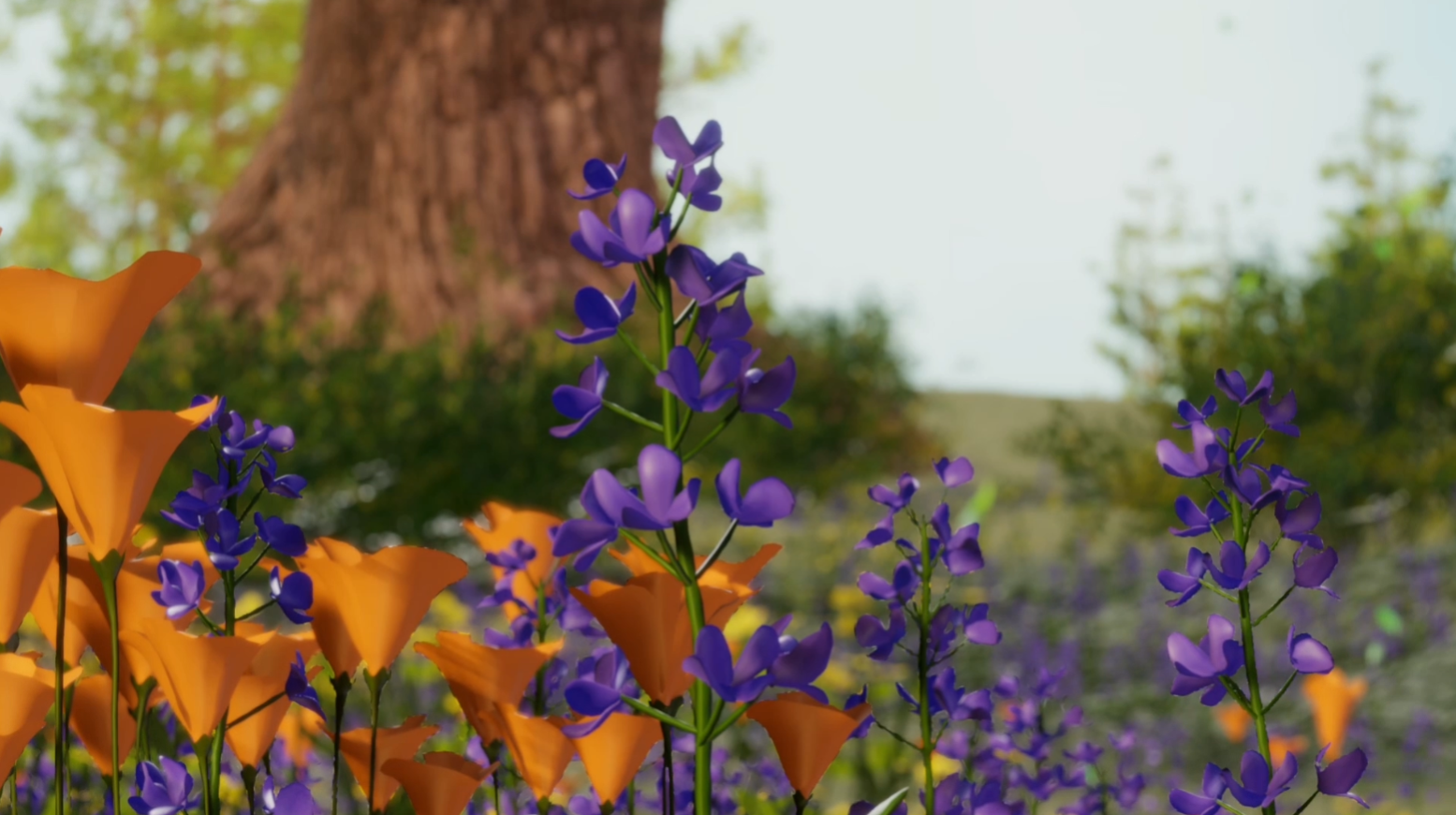
Why Children Need Outdoor Freeplay
Outdoor freeplay was once synonymous with childhood, but is now fading into a collective, nostalgic past. It's time to restore that experience for our children.
Increased sedentary time and greater access to devices among children, combined with urban growth, greater parental control, growing involvement in structured sports, and increased safety concerns, has steadily reduced opportunities for outdoor freeplay for children in recent decades, leaving children disconnected from the natural world around them.24
Since 1955, the amount of time children spend on outdoor freeplay has steadily been on the decline.25 In 1981, American children spent just under 2 hours per week outdoors on average. In 2003, American children got only 4 to 7 minutes of unstructured outdoor play each day.26 A 2018 survey reported that American children spend 35% less time on outdoor freeplay than their parents did.27 This lack of unstructured time outdoors is positively associated with a variety of behaviour issues, along with lower self-esteem, poor concentration, and reduced health and psychological wellbeing among children.28
Outdoor play offers a variety of benefits for children's cognitive, physical, social, and emotional wellbeing, and supports their development. Sunlight, natural elements, and open air all contribute to bone development, immune system functioning, and physical activity.24
Outdoor play gives children valuable opportunities to experiment, take risks, solve problems, think creatively, develop social skills, learn to cooperate with others, and construct their knowledge of themselves and the world around them, promoting self-esteem, autonomy, and confidence.24
It directly supports their cognitive development and wellbeing by improving executive function and creativity.27 The unique stimuli in the outdoor environment captures children's attention and interest, thus building their curiosity and imagination.24 Meanwhile the physical activity of 'play' improves their executive function27 and supports divergent thinking.24
Risk is a vital part of a child's learning and development. Modern society often underestimates what children are capable of, thus limiting opportunities for children to learn by experience. Outdoor freeplay creates important opportunities for children to take risks, which enables them to build body trust, master new skills and challenges, and thus experience feelings of success, mastery, and happiness24, which only sets them up for success in the future.
Nearby nature allows children to experience the kind of outdoor freeplay that is vital for their overall health and development. Children now need nearby nature more than ever: one in five adolescents today has prediabetes, placing them at greater risk for type 2 diabetes and cardiovascular diseases29, and less than 10 percent of American fifth graders has a fully developed vestibular sense.30
The experiences we have as children carry well into adulthood. There is a positive association between higher residential surrounding greenness during childhood and lower risk of depressive symptoms during adulthood.28 Spending time in (and therefore valuing) natural environments in childhood leads to greater attachment to natural environments in adulthood.31
Therefore, by allowing children to engage in regular outdoor freeplay, we can help create a healthier and happier population, while supporting movement practices and nature connectedness over a lifetime.
Why We Need to "Touch Grass" at Work
A lack of nature, paired with the challenges of the workday, leads to greater stress and fatigue, as well as productivity losses and cognitive impairment. Experiences of nature while at work can counteract this32, enhancing employees health, wellbeing, and productivity.33
However, realistically not everyone can get out into nature during their workday. Breakthru was built with this in mind. Research shows that just 40 second microbreaks engaging with photos of nature improves work performance.34
Per Attention Restoration Theory, exposure to natural environments restores cognitive resources by capturing effortless attention and alleviating the mental fatigue of prolonged directed attention.35
Natural scenes increase positive emotions, reduces negative emotions, and enhances stress recovery.35 Meanwhile, exposure to authentic natural sounds leads to physiological and psychological relaxation.36
Incorporating multisensory nature elements in the workplace engages employees' attention and produces immediate emotional and physiological benefits, improving mood, positive emotional states, and executive functioning (specifically inhibition and working memory), which all support better work performance and productivity.32
Breakthru was built to bring the outside into the flow of the workday.
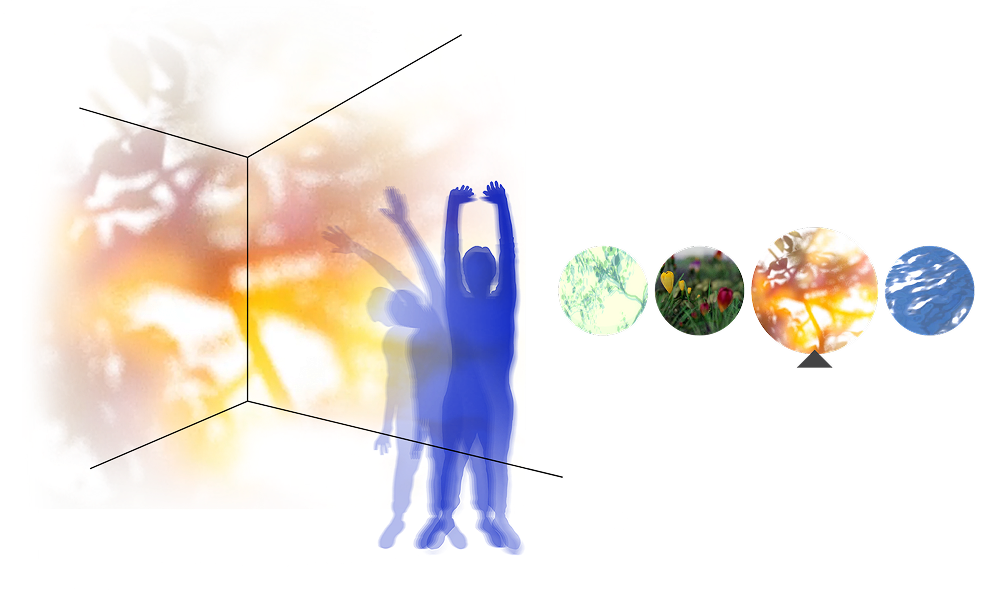
Our movement-based microbreaks and nature soundscapes are designed with real-life nature scenes and sounds, delivering a moment of multi-sensory, immersive, restorative nature to you when you need it most. Our movement microbreaks pair nature and movement, to bring the unique kind of "thinking on your feet" that happens on a walk to your workday in a 2-minute moment.
We encourage you to step outside and "touch grass" whenever you can (and to track it as a Break Away in the Breakthru app to continue building your history and earn streaks!), but whenever the real thing is out-of-reach, we invite you to take a nature-based microbreak with us instead.
- United States Environmental Protection Agency. "Improving Your Indoor Environment." Www.epa.gov, United States Environmental Protection Agency, 13 Oct. 2021, https://www.epa.gov/indoor-air-quality-iaq/improving-your-indoor-environment.
- Manoush Zomorodi, and Keith Diaz. "How I Used Public Radio to Recruit 20,000 Participants for a Peer-Reviewed Study on Walking Breaks." STAT News, 24 June 2026, https://www.statnews.com/2026/06/24/short-walking-breaks-sitting-health-research/. Accessed 3 July 2026.
- Lefevre, Margaux, and Rafael Mendes. "Screen Time Usage Statistics: Market Data Report 2026." Worldmetrics, 12 Feb. 2026, https://worldmetrics.org/screen-time-usage-statistics/.
- Varma, V. R., Dey, D., Leroux, A., Di, J., Urbanek, J., Xiao, L., and Zipunnikov, V. (2017). Re-evaluating the effect of age on physical activity over the lifespan. Preventive Medicine, 101, 102-108. https://doi.org/10.1016/j.ypmed.2017.05.030.
- NHS. "Why We Should Sit Less." NHS, 22 Nov. 2019, https://www.nhs.uk/live-well/exercise/why-sitting-too-much-is-bad-for-us/.
- Heart Research Institute UK. "Inactivity and a Sedentary Lifestyle." Heart Research Institute UK, https://www.hriuk.org/health/learn/risk-factors/inactivity-and-a-sedentary-lifestyle.
- Patel AV, Bernstein L, Deka A, Feigelson HS, Campbell PT, Gapstur SM, Colditz GA, Thun MJ. Leisure time spent sitting in relation to total mortality in a prospective cohort of US adults. Am J Epidemiol. 2010 Aug 15;172(4):419-29. doi: 10.1093/aje/kwq155. Epub 2010 Jul 22. PMID: 20650954; PMCID: PMC3590043.
- White, Mathew P., et al. "Spending at Least 120 Minutes a Week in Nature Is Associated with Good Health and Wellbeing." Scientific Reports, vol. 9, no. 1, 13 June 2019, https://www.nature.com/articles/s41598-019-44097-3, https://doi.org/10.1038/s41598-019-44097-3.
- Twohig-Bennett, Caoimhe, and Andy Jones. "The Health Benefits of the Great Outdoors: A Systematic Review and Meta-Analysis of Greenspace Exposure and Health Outcomes." Environmental Research, vol. 166, no. 1, Oct. 2018, pp. 628-637, https://www.sciencedirect.com/science/article/pii/S0013935118303323, https://doi.org/10.1016/j.envres.2018.06.030.
- Camero, Katie. "Nat Geo's Ultimate Guide to 'Touching Grass.'" Health, 8 May 2025, https://www.nationalgeographic.com/health/article/touch-grass-mental-health-outdoors.
- Schertz, Kathryn E., and Marc G. Berman. "Understanding Nature and Its Cognitive Benefits." Current Directions in Psychological Science, vol. 28, no. 5, 24 June 2019, pp. 496-502, https://doi.org/10.1177/0963721419854100.
- Nisbet, Elizabeth K., et al. "Connectedness with Nearby Nature and Well-Being." Frontiers in Sustainable Cities, vol. 2, no. 18, 27 May 2020, https://doi.org/10.3389/frsc.2020.00018.
- Bell, Cameron N, et al. "The Relationship between Nature Exposures and Attention Restoration, as Moderated by Exposure Duration: A Systematic Review and Meta-Analysis." Journal of Environmental Psychology, vol. 104, 1 May 2025, pp. 102632-102632, https://doi.org/10.1016/j.jenvp.2025.102632. Accessed 29 May 2025.
- Asan, A. S., McIntosh, J. R., and Carmel, J. B. (2022). Targeting Sensory and Motor Integration for Recovery of Movement After CNS Injury. Frontiers in Neuroscience, 15, 791824. https://doi.org/10.3389/fnins.2021.791824.
- Li, Q., Morimoto, K., Nakadai, A., Inagaki, H., Katsumata, M., Shimizu, T., et al. Forest bathing enhances human natural killer activity and expression of anti-cancer proteins. Int J Immunopathol Pharm., 2 (2007), pp. 3-8, https://doi.org/10.1177/03946320070200S202.
- Thangaleela, S., Sivamaruthi, B.S., Kesika, P., Bharathi, M., Kunaviktikul, W., Klunklin, A., et al. Essential oils, phytoncides, aromachology, and aromatherapy-a review. Appl. Sci., 9 (2022), p. 4495, https://doi.org/10.3390/app12094495.
- Xiao S, Wei T, Petersen JD, Zhou J, Lu X. Biological effects of negative air ions on human health and integrated multiomics to identify biomarkers: a literature review. Environ Sci Pollut Res Int. Jun 2023;30(27):69824-69836. https://doi.org/10.1007/s11356-023-27133-8.
- United States Department of Agriculture. "Urban Nature for Human Health and Wellbeing." United States Department of Agriculture, https://material-civet.files.svdcdn.com/production/images/documents/urbannatureforhumanhealthandwellbeing_508_01_30_18.pdf?dm=1620062733.
- Brown, J. (2025, June 8). 6 Ways being in nature Is good for your health, according to an environmental neuroscientist. Real Simple. Retrieved from https://www.realsimple.com/ways-being-in-nature-is-good-for-your-health-11748056.
- Lachowycz, K.; Jones, A.P. Towards a better understanding of the relationship between greenspace and health: Development of a theoretical framework. Landsc. Urban Plan. 2013, 118, 62-69.
- Barton, J.; Pretty, J. What is the best dose of nature and green exercise for improving mental health? A multi-study analysis. Environ. Sci. Technol. 2010, 44, 3947-3955.
- Cox, D. T. C., Shanahan, D. F., Hudson, H. L., Fuller, R. A., Anderson, K., Hancock, S., and Gaston, K. J. (2017). Doses of Nearby Nature Simultaneously Associated with Multiple Health Benefits. International Journal of Environmental Research and Public Health, 14(2), 172. https://doi.org/10.3390/ijerph14020172.
- Franco, L. S., Shanahan, D. F., and Fuller, R. A. (2017). A Review of the Benefits of Nature Experiences: More Than Meets the Eye. International Journal of Environmental Research and Public Health, 14(8), 864. https://doi.org/10.3390/ijerph14080864.
- Bento, Gabriela, and Gisela Dias. "The Importance of Outdoor Play for Young Children's Healthy Development." Porto Biomedical Journal, vol. 2, no. 5, 2017, pp. 157-160, https://www.sciencedirect.com/science/article/pii/S2444866416301234, https://doi.org/10.1016/j.pbj.2017.03.003.
- Gray, Peter. The Decline of Play and the Rise of Psychopathology in Children and Adolescents. 2011.
- Juster, F. Thomas, et al. CHANGING TIMES of AMERICAN YOUTH: 1981-2003. 2004.
- Horizon Blue Cross Blue Shield of New Jersey. "The Truth about Children and Outdoor Play." Horizon Blue Cross Blue Shield of New Jersey, 18 Oct. 2024, https://www.horizonhealthnews.com/the-truth-about-children-and-outdoor-play/.
- Preuss, Myriam, et al. "Low Childhood Nature Exposure Is Associated with Worse Mental Health in Adulthood." International Journal of Environmental Research and Public Health, vol. 16, no. 10, 2019, p. 1809, https://www.ncbi.nlm.nih.gov/pubmed/31121806, https://doi.org/10.3390/ijerph16101809.
- Fryar CD, Carroll MD, Ogden CL. Prevalence of overweight, obesity, and severe obesity among children and adolescents aged 2-19 years: United States, 1963-1965 through 2015-2016. Hyattsville, MD: US Department of Health and Human Services, CDC, National Center for Health Statistics; 2018. https://www.cdc.gov/nchs/data/hestat/obesity_child_15_16/obesity_child_15_16.htm.
- McGurk, Linda. "How Outdoor Play Stimulates a Child's Vestibular System." Green Child Magazine, 26 June 2025, https://www.greenchildmagazine.com/how-outdoor-play-stimulates-a-childs-vestibular-system/.
- SEI. "How Does Childhood Exposure to Natural Environments Influence Adult Well-Being?" SEI, 18 Nov. 2022, https://www.sei.org/features/childhood-exposure-natural-environments-adult-well-being/.
- Yildirim, Muhammed, et al. "Multisensory Nature Exposure in the Workplace: Exploring the Restorative Benefits of Smell Experiences." Building and Environment, vol. 262, 1 July 2024, pp. 111841-111841, https://doi.org/10.1016/j.buildenv.2024.111841.
- M. Yildirim, O. Gocer, A. Globa, A. Brambilla. "Investigating restorative effects of biophilic design in workplaces: a systematic review." Intell. Build. Int. (2024), pp. 1-43.
- Lee, Kate E., et al. "40-Second Green Roof Views Sustain Attention: The Role of Micro-Breaks in Attention Restoration." Journal of Environmental Psychology, vol. 42, June 2015, pp. 182-189, https://www.sciencedirect.com/science/article/pii/S0272494415000328, https://doi.org/10.1016/j.jenvp.2015.04.003.
- Kaplan, S. "The restorative benefits of nature: toward an integrative framework." J. Environ. Psychol., 15 (3) (1995), pp. 169-182.
- Song, I., Baek, K., Kim, C., Song, C. "Effects of nature sounds on attention and physiological and psychological relaxation." Urban For. Urban Green., 86 (2023), Article 127987.
Breakthru in the World
Request a demo to learn how teams stay sharper, healthier, and more connected with Breakthru
See how science-backed, 2-minute microbreaks can boost focus, motivation, and resilience for your organization.
Join the
45,000+
corporations, educational
communities, and non-profits
worldwide using Breakthru.