Not All Movement Is Created Equal
“Sitting is the new smoking.”
You’ve heard it before, but it keeps resurfacing for a reason. Prolonged sitting is associated with an increased risk of heart disease, certain cancers, and early death.1,2 It slows metabolism, reduces insulin sensitivity, and eats away at our health - even if we “work out” later.2
But here’s the deal: not all movement is created equal. And more movement doesn’t automatically mean better movement.
Movement as Medicine… or Just More Noise?
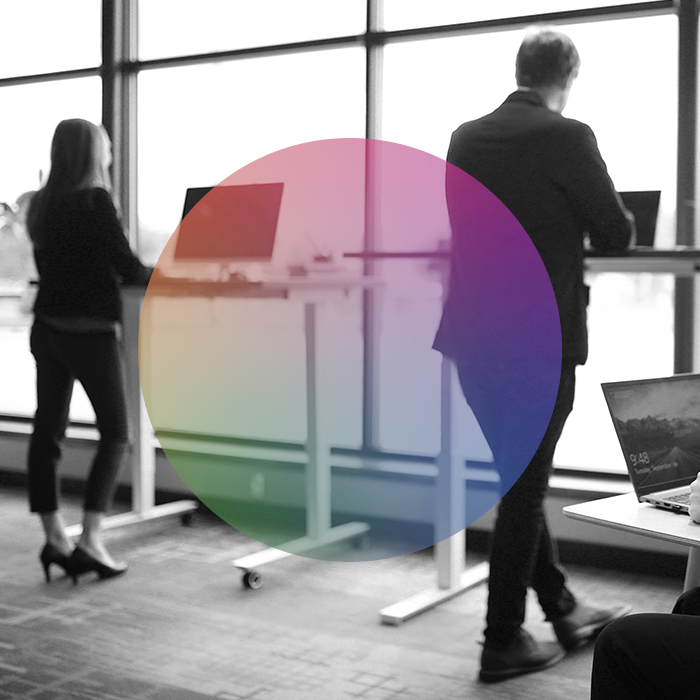
In response to the dangers of sitting, the fitness world has pushed the idea that any movement is good movement. Enter walking desks and the awkward bopping in virtual meetings.
But what the fitness world doesn’t want you to know is that layering low-quality movement on top of chronic stress doesn’t fix the problem. It might even make it worse.3
Walking is a rhythmic, coordinated activity that ideally downshifts the nervous system. Knowledge work - like emails, spreadsheets, and problem-solving - does the opposite. Combine the two and you get neither deep focus nor restorative movement. Your brain stays in “on” mode, your body never fully settles, and fatigue accumulates.
Movement without intention becomes just another form of productivity pressure.

The Problem Isn’t Just Sitting, It’s Disconnection
There’s a lot we have to learn from Katerina Stefanidi, and cognitive reframing is one of them.
We live in an age of gadgets and gizmos a-plenty. Rings, watches, apps, dashboards—each one eager to tell us how we slept, how stressed we are, how recovered we should feel, and whether we’ve “earned” rest.4
The irony? We’re sitting (see what I did there?) on mountains of data trying to interpret how we feel instead of learning how to feel.4 We’ve outsourced our wellbeing.
Instead of noticing tension in our shoulders, we wait for a stress score. Instead of recognizing mental fatigue, we push through because the app says we’re “good to go.” Instead of moving intuitively, we chase step counts and badges.
When data replaces bodily awareness, we lose the skill of listening inward. Sometimes the best movement is a slow walk with no destination or stretching without counting reps. Other times, it’s strength, intensity, and sweat. Learning the difference requires something no wearable can fully teach: interoception, the ability to sense and interpret internal signals.5
Exercise Snacks (Who doesn’t like snacks?!)
Now for the good news: you can have your snack and eat it too.
Exercise snacks, or short, intentional bouts of movement—1 to 5 minutes—sprinkled throughout the day can improve blood sugar regulation, boost circulation, reduce stiffness, and restore attention.6,7
But the key word here is intentional. Take a brief pause where movement is the focus. These snacks work because they interrupt stress cycles, disrupt sedentary behaviour, and eliminate stagnant cognition.
Breakthru builds these exercise snacks into the flow of the day, with 2 minute movement-based microbreaks that get you out of your chair and into your body. Used by everyone from Waste Management to Wall Street, to reduce the health impacts of prolonged sitting, while delivering a meaningful boost in mind, mood, and metabolism.
Not all movement is created equal. And the most powerful kind is the kind you actually feel in your brain and body, not the kind you track on an app.
5 Ways to Incorporate More Movement During Work
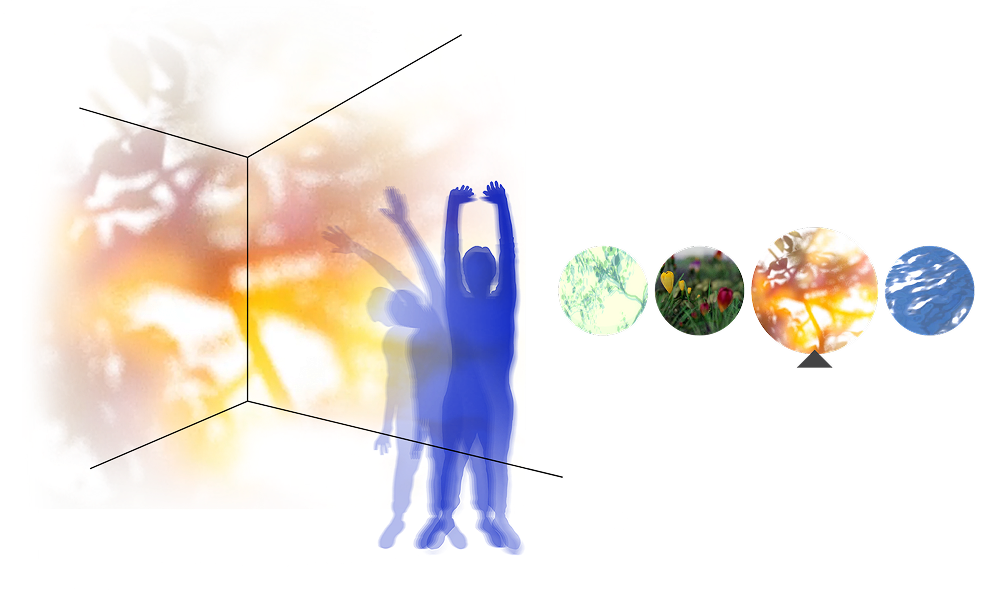
- In between meetings, stand up and stretch. Touch your toes, reach for the sky, sway your arms, or move anything that feels sore.
- After a trip to the restroom, take 2 minutes to do a dance at your desk, engage with a pet, or walk to a part of the office you don’t often visit.
- Set a reminder to move every hour or two so you can keep your muscles and joints feeling fresh and your mind ready for anything.
- After finishing lunch, set a timer and take a stroll for 5 minutes. Around the office, your home, or even at your desk.
- Add movement to your next meeting by taking a stretch break together or transitioning to a walking meeting.
- Yes, sitting too long can kill you, even if you exercise, CNN Health. https://www.cnn.com/2017/09/11/health/sitting-increases-risk-of-death-study/index.html
- Park JH, Moon JH, Kim HJ, Kong MH, Oh YH. Sedentary Lifestyle: Overview of Updated Evidence of Potential Health Risks. Korean Journal of Family Medicine. 2020 Nov;41(6):365-373. doi: 10.4082/kjfm.20.0165. Epub 2020 https://www.ncbi.nlm.nih.gov/pmc/articles/PMC7700832/
- Mitsue, S., & Yamamoto, T. (2019). Relationship between depression and movement quality in normal young adults. Journal of physical therapy science, 31(10), 819–822. https://doi.org/10.1589/jpts.31.819
- LaMotte, S. (2025, March 11). The potential dangers of sleep trackers, according to experts. CNN. https://www.cnn.com/2025/03/10/health/orthosomnia-sleep-tracker-wellness
- Paul, Annie. “How to Think Outside Your Brain”. New York Times, June 2021 https://www.nytimes.com/2021/06/11/opinion/brain-mind-cognition.html
- Chandrasekaran, B., Pesola, A. J., Rao, C. R., & Arumugam, A. (2021). Does breaking up prolonged sitting improve cognitive functions in sedentary adults? A mapping review and hypothesis formulation on the potential physiological mechanisms. BMC Musculoskeletal Disorders, 22(1), 1–16. https://doi.org/10.1186/s12891-021-04136-5
- Microbreaks. Microbreaks – Stanford Environmental Health & Safety. (n.d.). https://ehs.stanford.edu/subtopic/microbreaks
Breakthru in the World
Request a demo to learn how teams stay sharper, healthier, and more connected with Breakthru
See how science-backed, 2-minute microbreaks can boost focus, motivation, and resilience for your organization.
Join the
45,000+
corporations, educational
communities, and non-profits
worldwide using Breakthru.